



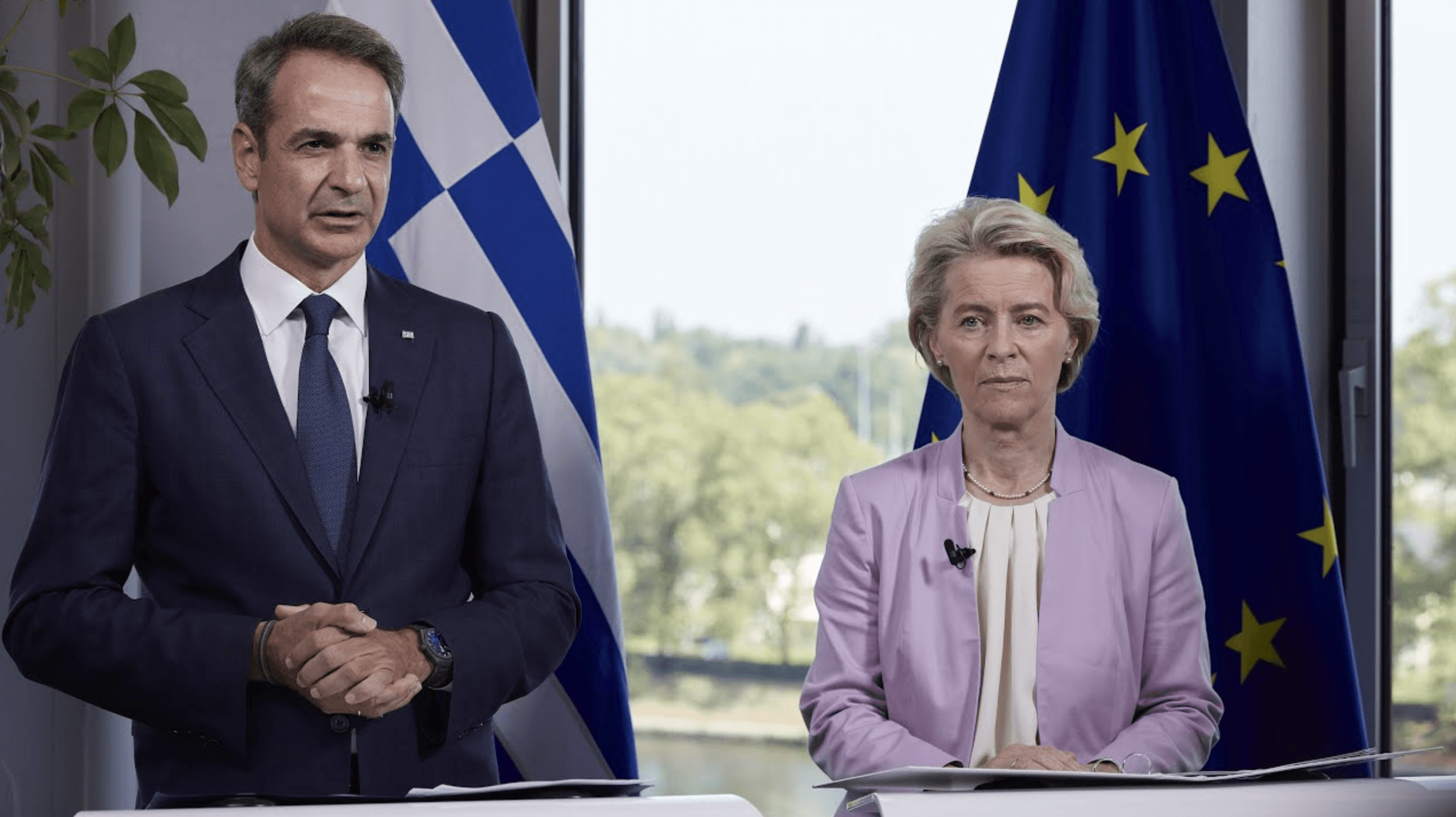

A new investigation by BBC has uncovered extensive evidence suggesting that Greek authorities have systematically forced migrants back into Turkey, allegedly using other migrants as intermediaries in these operations. The findings raise renewed concerns over illegal pushbacks, a practice widely considered a violation of international and European human rights law.
According to internal police communications reviewed by the BBC, individuals described as “contract operatives” were recruited and supervised by senior officials to assist in removing migrants from Greek territory. These operations reportedly took place along the Evros River, a critical crossing point marking the European Union’s external border between Greece and Turkey.
Allegations of Violence and Abuse
Multiple testimonies collected during the investigation describe severe physical and psychological abuse. Migrants reported being beaten, robbed, stripped of personal belongings, and in some cases subjected to sexual violence. Witness accounts suggest that these acts were not isolated incidents but part of a broader operational pattern dating back to at least 2020.
A report by Frontex’s Fundamental Rights Office also supports these claims. It documented cases involving threats, beatings, unlawful detention, and forced returns, all allegedly conducted under instructions from Greek authorities. These actions, if confirmed, would directly violate EU human rights standards.
Despite the mounting evidence, Greek Prime Minister Kyriakos Mitsotakis stated he was “completely unaware” of such practices. Greek officials have not provided detailed responses to the BBC’s inquiries.
Eyewitness Accounts Paint Disturbing Picture
Survivor testimonies add a human dimension to the investigation. One Syrian woman described how masked men forcibly transported her family in an unmarked vehicle before subjecting them to degrading searches near the riverbank. Another migrant recounted being beaten unconscious and later transported in overcrowded conditions where people struggled to breathe.
Several witnesses reported that migrants were placed on inflatable boats and pushed back toward Turkey, often under dangerous conditions. These actions are widely categorized as illegal pushbacks, prohibited under international asylum law.
Systematic Use of Migrants in Operations
The investigation further reveals that many of the so-called operatives were themselves migrants from countries such as Syria, Pakistan, and Afghanistan. These individuals were allegedly offered money, documents, or safe passage within Greece in exchange for participating in pushback operations.
Some testimonies suggest coercion. One Moroccan national claimed he was forced into the role under threat of violence, describing the experience as “modern-day captivity.”
Growing International Concern
Human rights organizations, including Greece’s National Commission for Human Rights, have recorded over 100 alleged pushback incidents since 2020. Legal challenges have also reached the European Court of Human Rights, highlighting the scale of the issue.
Silence, Double Standards, and Political Tensions
The latest revelations reinforce a broader pattern: Greece has repeatedly faced accusations of violating EU human rights laws, yet meaningful consequences remain absent. Critics argue that both the European Union and the United Nations have failed to take decisive action, choosing instead to observe developments without intervention.
At the same time, Turkey continues to shoulder a disproportionate burden of irregular migration from the Middle East, while Turkish citizens face increasing visa restrictions from EU countries. This has fueled perceptions of systemic unfairness.
Domestically, political tensions further complicate the situation. Figures such as Ekrem İmamoğlu and the opposition CHP have been at the center of controversies involving legal actions and governance disputes, raising concerns about democratic backsliding.
Some analysts go further, suggesting that tensions between Mitsotakis and Turkish President Recep Tayyip Erdoğan may serve mutual political interests, echoing governance strategies associated with leaders like Viktor Orbán. These claims remain speculative but continue to circulate in political discourse.
The BBC investigation has intensified scrutiny on Greece’s border policies, highlighting serious allegations of human rights violations at one of Europe’s most sensitive frontiers. As pressure mounts, the response—or lack thereof—from European and global institutions will likely shape the next phase of this ongoing crisis.