



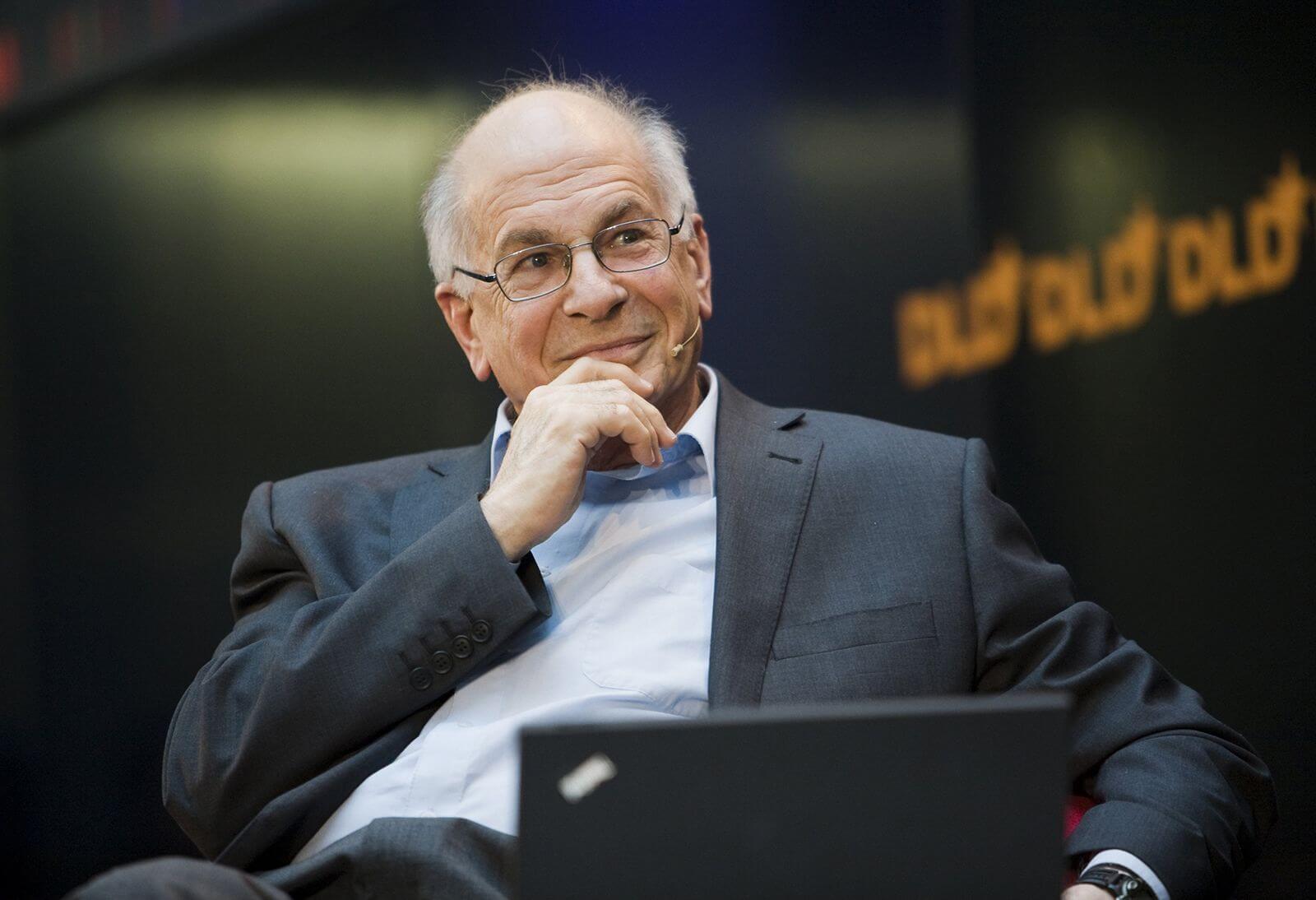

Daniel Kahneman, the Israeli-American psychologist and Nobel laureate who transformed the understanding of human decision-making, has died, leaving behind a groundbreaking legacy in both psychology and economics. Widely regarded as the father of behavioral economics, Kahneman reshaped how scholars, policymakers, and businesses interpret human judgment under uncertainty.
His work revealed that human decisions are often driven not by rational calculation, but by cognitive biases, heuristics, and emotional responses.
Revolutionizing Decision Science
Kahneman’s most influential contribution came through his collaboration with fellow psychologist Amos Tversky, with whom he developed the foundational principles of prospect theory.
Understanding Human Bias
Introduced in 1979, prospect theory challenged traditional economic models by demonstrating that individuals evaluate gains and losses asymmetrically. People tend to fear losses more than they value equivalent gains—a phenomenon now known as loss aversion.
According to research published in leading journals such as Econometrica, Kahneman and Tversky’s work fundamentally altered economic theory, integrating psychological realism into models of human behavior.
Thinking, Fast and Slow
Kahneman brought his research to a global audience through his bestselling book Thinking, Fast and Slow (2011), which explored the dual systems that drive human thought.
Two Systems of Thought
He described System 1 as fast, intuitive, and emotional, while System 2 is slower, more deliberate, and logical. This framework has become central to understanding everything from consumer behavior to public policy decisions.
The book remains widely cited across disciplines, influencing fields such as finance, medicine, and artificial intelligence.
Nobel Prize and Global Recognition
In 2002, Daniel Kahneman was awarded the Nobel Prize in Economic Sciences, despite not being a traditional economist. The Nobel Committee recognized his integration of psychological insights into economic science, a move that legitimized behavioral economics as a core discipline.
Academic and Institutional Influence
Kahneman held positions at leading institutions, including Princeton University, where he continued to develop his research on judgment, risk, and well-being. His work also influenced global institutions such as the World Bank and policymaking bodies seeking to design more effective interventions.
A Lasting Intellectual Legacy
The death of Daniel Kahneman marks the loss of one of the most influential thinkers of the modern era. His research continues to shape how governments design policies, how businesses understand consumers, and how individuals reflect on their own decisions.
Today, concepts such as anchoring bias, availability heuristic, and loss aversion are central to both academic research and real-world applications.
As the world continues to grapple with complex decisions in uncertain environments, Kahneman’s work remains an essential guide—demonstrating that understanding human behavior is key to understanding the world itself.