



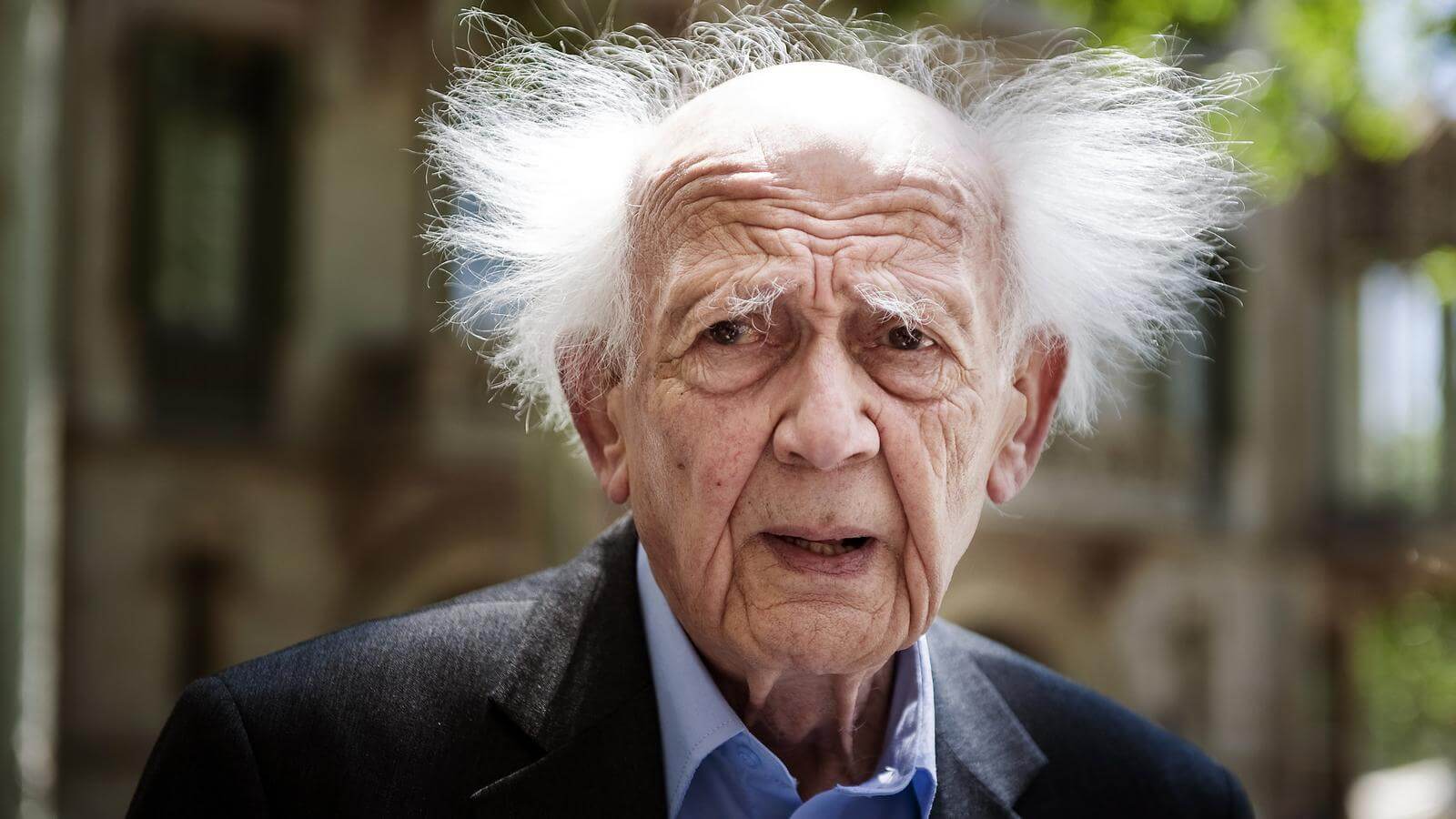

Zygmunt Bauman, the renowned Polish-British sociologist and philosopher, has died, leaving behind a profound intellectual legacy that reshaped how the modern world understands globalization, consumerism, and social identity. Best known for developing the concept of “liquid modernity,” Bauman offered a powerful framework to interpret the rapidly changing structures of contemporary society.
His work resonated far beyond academia, influencing policymakers, cultural critics, and generations of thinkers grappling with the uncertainties of the 21st century.
Defining “Liquid Modernity”
Bauman’s most influential contribution came through his theory of liquid modernity, a term he used to describe a world where traditional social structures—such as stable careers, long-term relationships, and fixed identities—are increasingly fluid and unstable.
A World in Constant Flux
In his landmark book Liquid Modernity (2000), Bauman argued that individuals must constantly adapt to shifting economic and social conditions. Unlike earlier “solid” phases of modernity, today’s world is marked by uncertainty, mobility, and fragility.
According to Bauman, this transformation is driven by global capitalism, technological acceleration, and the erosion of long-standing institutions. His insights helped explain phenomena such as job insecurity, digital relationships, and the rise of individualism.
A Life Shaped by History
Born in 1925 in Poland, Bauman’s life was deeply influenced by the upheavals of the 20th century, including World War II and the political tensions of post-war Europe. These experiences informed his lifelong exploration of power, ethics, and social responsibility.
Academic Influence and Exile
After being forced to leave Poland during a period of political unrest in 1968, Bauman settled in the United Kingdom, where he became a professor at the University of Leeds. There, he produced many of his most influential works, solidifying his reputation as a leading voice in contemporary sociology.
His earlier work, including Modernity and the Holocaust (1989), offered a groundbreaking analysis of how modern bureaucratic systems contributed to one of history’s darkest events. The book remains widely cited in both sociology and historical studies.
Global Impact and Intellectual Legacy
Bauman authored dozens of books exploring themes such as consumer culture, social inequality, and moral responsibility in a globalized world. His writing, characterized by clarity and philosophical depth, reached a broad international audience.
A Voice for the Modern Age
Scholars and institutions worldwide continue to reference Bauman’s theories when analyzing contemporary challenges, from migration crises to digital transformation. His ability to connect abstract theory with everyday life made his work uniquely accessible and enduring.
Enduring Relevance in a Changing World
The death of Zygmunt Bauman marks the loss of a critical voice in understanding the complexities of modern society. Yet his ideas remain more relevant than ever, offering tools to navigate an increasingly uncertain world.
As societies continue to evolve under the pressures of globalization and technological change, Bauman’s concept of liquid modernity stands as a lasting intellectual guide—reminding us that in a world defined by change, understanding itself must remain flexible.