



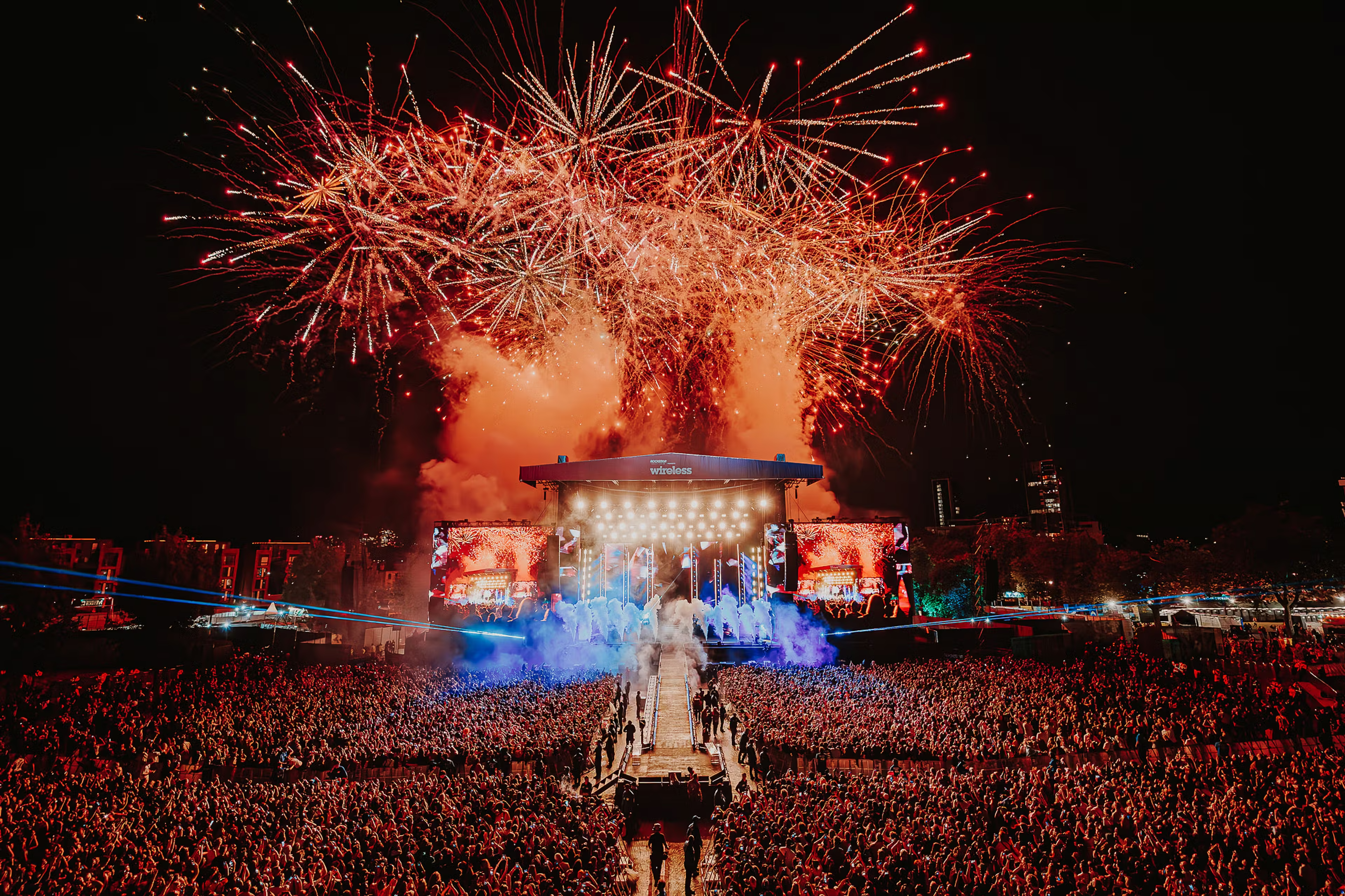


The United Kingdom government has refused entry to rapper Kanye West, also known as Ye, triggering the cancellation of the Wireless Festival in London. The decision followed mounting public and political pressure linked to the artist’s history of antisemitic and inflammatory remarks, which have sparked widespread criticism in recent years.
According to festival organizers, the UK Home Office revoked West’s Electronic Travel Authorisation (ETA) shortly after his application was submitted. Officials concluded that allowing the artist into the country would not be “conducive to the public good,” effectively preventing his scheduled headline performance.
The development forced organizers to cancel the entire event, issuing refunds to ticket holders. In an official statement, Wireless Festival confirmed the decision, noting that multiple stakeholders had been consulted during the booking process and that no initial concerns were raised at the time.
Backlash Over Controversial Statements
West has faced years of backlash for a series of antisemitic, racist, and pro-Nazi comments, including controversial public statements and artistic content. Advocacy groups and political figures across the UK strongly opposed his planned appearance.
A spokesperson for the Campaign Against Antisemitism praised the government’s decision, stating that it demonstrated a firm stance against hate speech. The group also criticized the festival’s organizers for continuing to support West despite ongoing concerns.
The controversy intensified after references to recent offensive content, including a song title and merchandise linked to extremist imagery, resurfaced in public debate. These incidents contributed significantly to the decision to block his entry.
Political Leaders Voice Strong Opposition
Several prominent UK political figures openly criticized the booking prior to the government’s intervention. Prime Minister Keir Starmer described antisemitism as “abhorrent” and emphasized the need for firm action wherever it appears.
Health Secretary Wes Streeting also condemned West, calling his recent apology “self-serving” and insufficient. He stressed that any reconciliation must come directly from affected communities, particularly the Jewish community in the UK.
Opposition voices echoed similar sentiments. Conservative and Liberal Democrat leaders, along with other political figures, urged authorities to deny West entry under existing immigration laws, citing his past statements as grounds for exclusion.
Festival Organizers Defend Initial Decision
Melvin Benn, managing director of Festival Republic, initially defended the booking, suggesting that mental health challenges may have influenced West’s behavior. He argued that such issues require understanding and long-term consideration.
However, this stance drew criticism from Jewish organizations, including the Board of Deputies of British Jews, which maintained that the invitation itself was inappropriate given the artist’s track record. The group reiterated that any engagement with West should only occur after he demonstrates meaningful change.
Kanye West Responds to Controversy
In response to the backlash, West expressed a willingness to meet with representatives of the Jewish community in the UK. He acknowledged that “words aren’t enough” and stated his intention to show change through actions rather than statements.
Despite this outreach, community leaders emphasized that accountability must precede reconciliation. They indicated openness to dialogue but insisted that public performances should not proceed under current circumstances.
Wider Implications for the Music Industry
The cancellation of the Wireless Festival highlights the growing influence of ethical considerations in entertainment bookings. Industry stakeholders are increasingly held accountable not only for artistic decisions but also for the broader social impact of their choices.
This case underscores a broader shift across Europe, where public sentiment, political pressure, and social responsibility are shaping cultural events. It also raises questions about how festivals and promoters will navigate controversial figures in the future.
As debates around freedom of expression versus public responsibility continue, the UK’s decision marks a significant moment in the intersection of music, politics, and social values.