






Donald Trump has delivered a dramatic warning to Iran, stating that “a whole civilization will die tonight” if a deal is not reached before his imposed deadline. The ultimatum is tied to demands for reopening the Strait of Hormuz, a vital artery for global oil shipments.
In a post shared on social media, Trump suggested that failure to comply could lead to large-scale destruction of civilian infrastructure, including bridges, rail networks, and power facilities. While Trump has previously set deadlines that were later extended, his latest remarks indicate a firmer and more urgent stance.
Despite ongoing diplomatic contacts, negotiations appear strained. Trump hinted at a possible breakthrough, noting that “something revolutionarily wonderful can happen,” but acknowledged that such an outcome remains uncertain.
Military Pressure Mounts Across Key Locations
US Strikes on Kharg Island
According to CBS News, the United States conducted overnight strikes on Kharg Island, a strategically critical site for Iran’s oil exports. A US official told the outlet that energy infrastructure was not directly targeted, though the location itself underscores the economic pressure being applied.
Kharg Island plays a central role in Iran’s export capacity, making any military activity there particularly sensitive for global energy markets.
Israel Targets Transport Infrastructure
At the same time, Israel has expanded its military operations. Prime Minister Benjamin Netanyahu confirmed that Israeli forces struck railways and bridges allegedly used by the Islamic Revolutionary Guard Corps (IRGC).
The Israel Defense Forces (IDF) reported hitting eight bridge sections across major cities, including Tehran, Karaj, Tabriz, Kashan, and Qom. The stated aim is to disrupt military logistics and limit internal mobility.
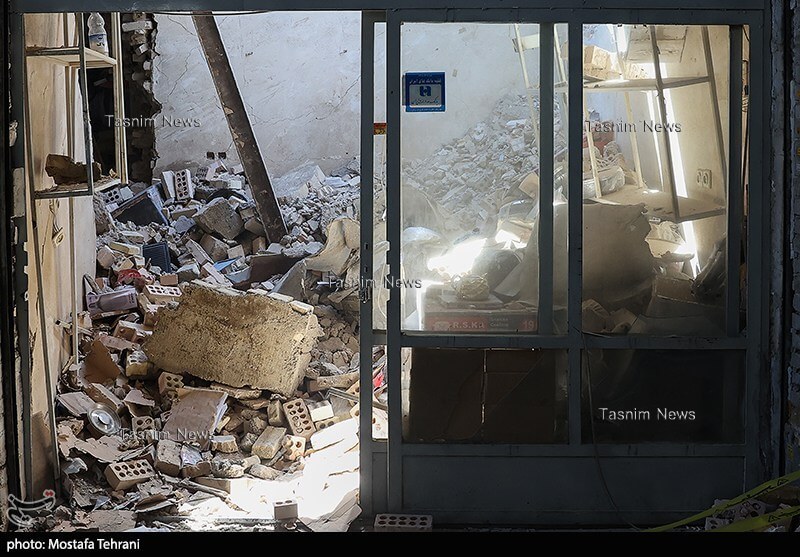
Iranian state media reported that two people were killed following a strike on a railway bridge in Kashan. Authorities also suspended train services in affected areas after warnings that rail travel could pose serious risks.
Retaliation and Regional Spillover Risks
Iran Claims Strike in Saudi Arabia
In response, Iran’s Revolutionary Guard claimed it launched drone and missile attacks on a petrochemical complex in Jubail, Saudi Arabia. The statement, carried by IRNA, framed the attack as retaliation for earlier strikes on Iranian facilities.
Reports from AFP cited witnesses describing explosions and fires at the site. However, these claims have not been independently verified, and Saudi officials have not issued confirmation.
Diplomatic Development: French Detainees Released
Amid escalating tensions, a separate diplomatic development drew attention. Two French nationals, Cécile Kohler and Jacques Paris, previously detained in Iran on espionage charges, have been released.
French President Emmanuel Macron confirmed their departure and thanked mediators involved in the process. The pair had been arrested in May 2022 while traveling as tourists and later received lengthy prison sentences.
France had accused Iran of arbitrary detention and harsh conditions, allegations that Tehran denied.
Global Stakes Rise as Deadline Nears
The combination of military escalation, political ultimatums, and retaliatory actions has raised concerns about a broader regional conflict. The Strait of Hormuz remains a focal point due to its importance in global oil supply chains.
US Vice President JD Vance, speaking in Budapest, emphasized that Iran must “come to the table” or face worsening economic conditions. Analysts warn that continued escalation could destabilize the Middle East and disrupt international markets.
With the deadline approaching, the situation remains highly volatile, leaving the world watching for either a last-minute diplomatic breakthrough or a significant escalation in conflict.