





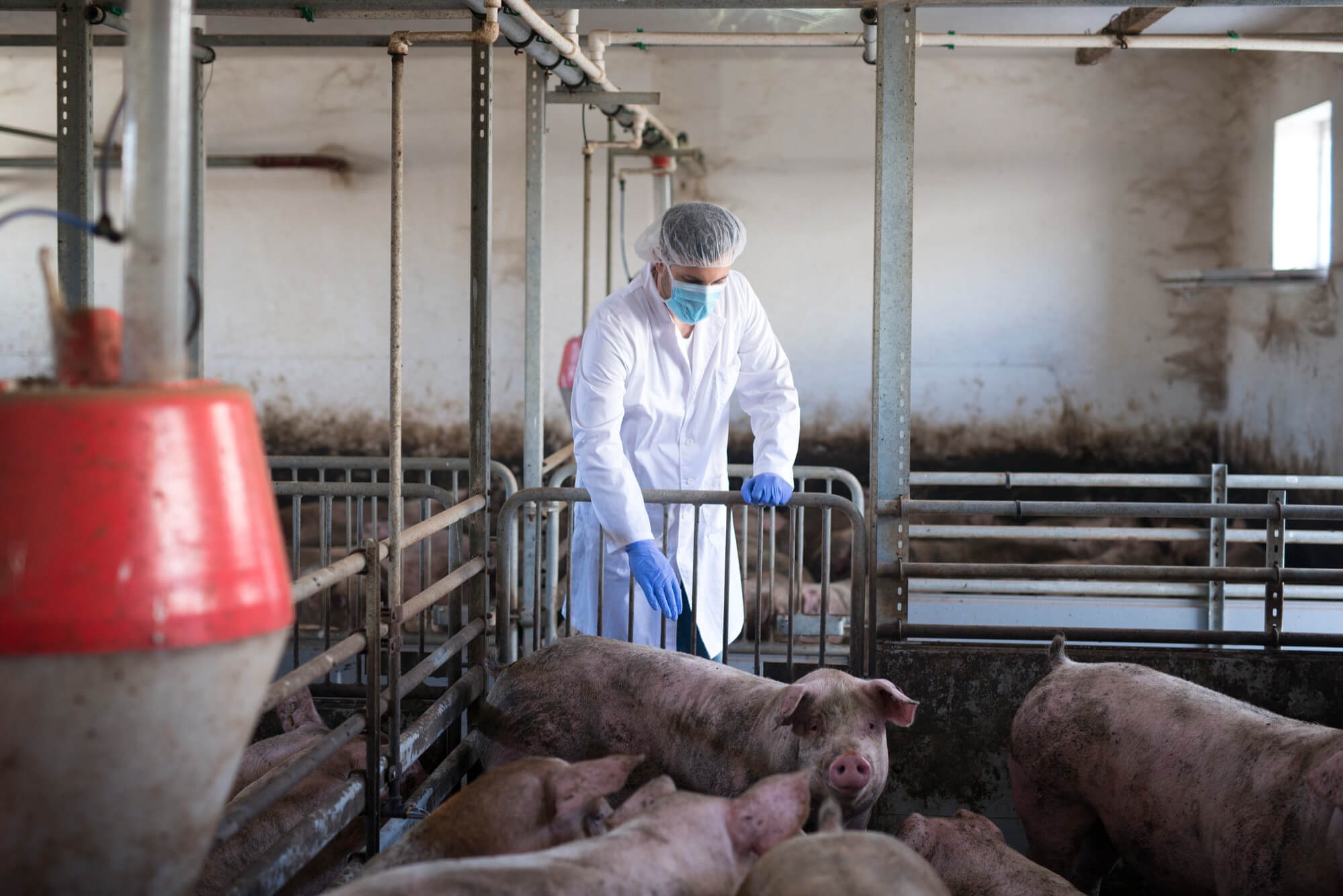

Spain’s multi-billion-euro pork industry is grappling with a growing crisis following the emergence of African Swine Fever (ASF), a highly contagious disease affecting pigs and wild boars. While harmless to humans, the virus has triggered economic disruption, export bans, and mounting anxiety among farmers across the country.
Jordi Saltiveri, a pig farmer in Catalonia managing approximately 8,000 pigs, describes the emotional and financial toll since the outbreak was confirmed in late 2025. “The moment ASF is detected, international markets react immediately,” he explained. “We are already seeing price drops of €30 to €40 per pig, which is devastating for producers.”
Economic Fallout and Export Restrictions
Spain’s pork industry, valued at approximately €25 billion, is the largest in Europe. However, the detection of ASF has led several key markets—including Brazil, Japan, Mexico, South Africa, and the United States—to suspend imports of Spanish pork.
Although some regions, such as the European Union, China, and the United Kingdom, have applied localized restrictions rather than nationwide bans, the impact remains significant. According to data from Unión de Uniones, a national farming organization, the sector has already suffered losses exceeding €600 million since the crisis began.
Export figures reflect the downturn. In Catalonia alone, pork exports fell by 17% in January year-on-year, underscoring the immediate consequences of declining international demand.
Wild Boars Identified as Key Risk Factor
Authorities have traced the initial outbreak to Collserola Park near Barcelona, where an infected wild boar carcass was discovered. While investigations ruled out a nearby research facility as the source, attention has turned to the growing wild boar population as a primary vector.
Catalonia’s regional government estimates between 120,000 and 180,000 wild boars inhabit the area. Officials argue that years of lenient wildlife management have contributed to overpopulation, increasing both disease transmission and human-wildlife conflicts.
Agriculture Minister Òscar Ordeig emphasized the urgency of intervention, noting that wild boars are responsible for a surge in traffic accidents and disease spread. The government aims to reduce the population by half, with approximately 24,000 animals culled so far in 2026.
Containment Measures Intensified
Authorities have implemented strict containment strategies, including restricted access zones, surveillance via drones and cameras, and extensive culling operations within a 6-kilometer high-risk radius. A broader 20-kilometer monitoring zone has also been established.
All captured animals undergo testing, with 232 wild boars confirmed positive for ASF by late March, according to regional data. Additionally, enhanced biosecurity protocols require disinfection of equipment, vehicles, and personnel operating in affected areas.
Spain’s government maintains that its long-standing biosecurity framework remains one of the strongest in Europe. Officials are aiming to replicate the success of Belgium, which eradicated ASF within 14 months of detection.
Industry Concerns and Public Response
Despite official reassurances, some industry stakeholders remain critical. The agricultural market authority Mercolleida has warned that containment efforts may be progressing too slowly, particularly after new cases emerged outside initial risk zones in February.
“Farmers nationwide are bearing the cost,” the organization stated, cautioning against a scenario similar to Germany, where ASF led to a 25% drop in pork production and widespread farm closures.
On the consumer side, however, confidence appears relatively stable. Shoppers in Barcelona report trust in safety measures, and retail pork prices have remained steady. Market vendors attribute weaker sales more to the rising cost of living than to fears surrounding ASF.
Outlook: A Long Road to Recovery
Even if Spain successfully eliminates ASF, international standards require a 12-month disease-free period before export status can be fully restored. Until then, the industry faces continued uncertainty.
For farmers like Saltiveri, the stakes are deeply personal. “We’ve built this over generations,” he said. “Now everything depends on how quickly we can contain this outbreak.”
As Spain mobilizes resources to protect its agricultural backbone, the ASF crisis serves as a stark reminder of the fragility of global food supply chains and the critical importance of rapid disease control measures.