





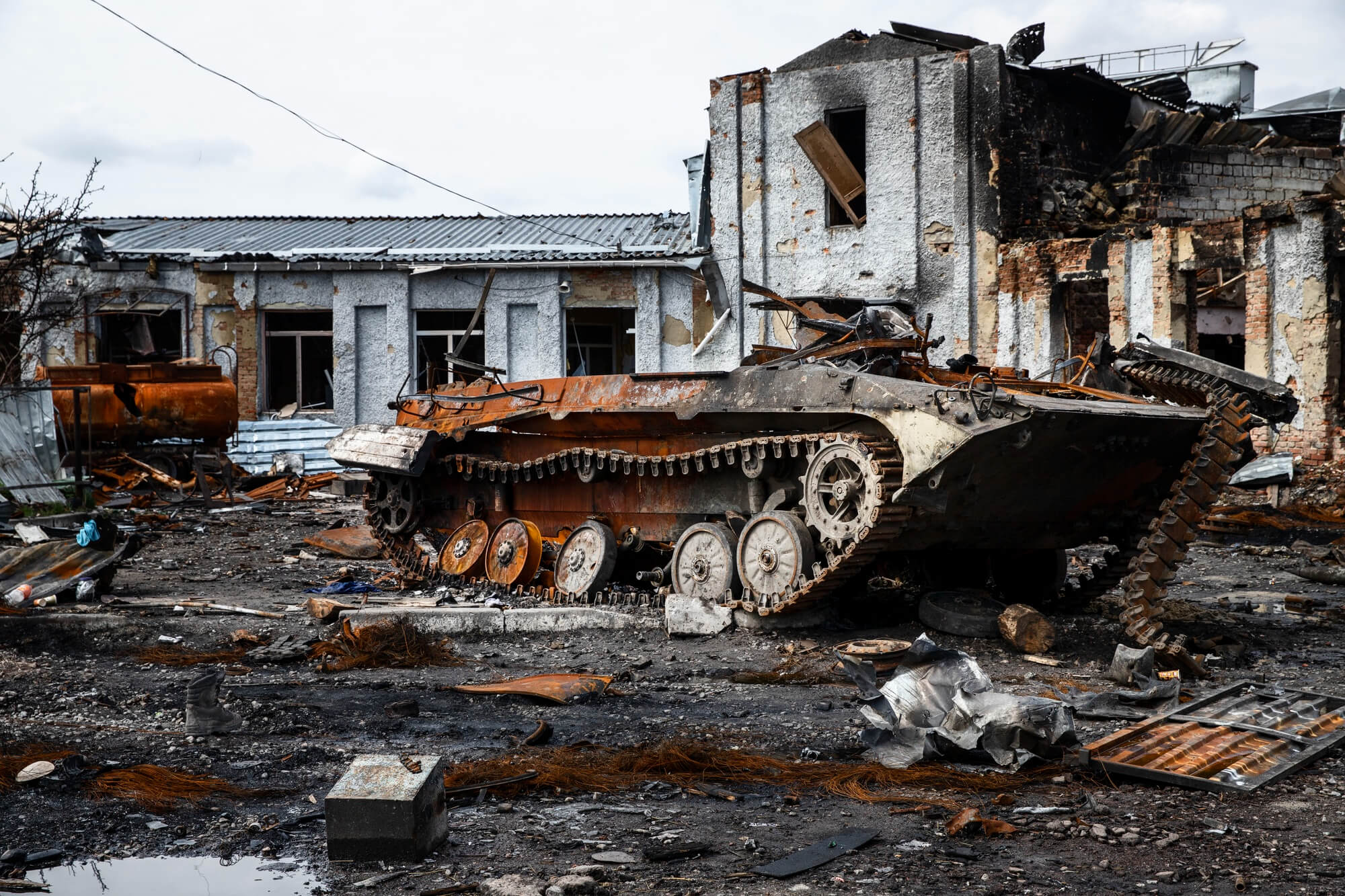

Ukraine’s second-largest city, Kharkiv, endured a new wave of Russian aerial assaults as the war reached its 1,500th day, marking a significant escalation in both scale and strategy. Ukrainian officials reported a relentless overnight barrage involving missiles and advanced drones, signaling what authorities describe as “new tactical approaches” by Moscow.
Located just 40 kilometers from the Russian border, Kharkiv has become increasingly vulnerable to rapid-strike weapons. According to local authorities, at least four missile strikes and over 20 drone attacks hit the city overnight, damaging residential buildings, offices, and civilian infrastructure. Among the injured was an eight-year-old child, underscoring the ongoing humanitarian toll.
Emergence of Faster, Harder-to-Intercept Drones
Jet-Enhanced Drone Technology Raises Alarm
Ukrainian military sources revealed that Russia is deploying Iranian-made Shahed drones equipped with jet engines, allowing them to reach targets in Kharkiv within minutes. This advancement significantly reduces interception time, making them more difficult for air defense systems to neutralize.
The Ukrainian Air Force reported that since Thursday night, Russia launched a staggering 542 drones and 37 missiles across the country, primarily targeting critical infrastructure facilities. Air defense units managed to intercept 515 drones and 26 missiles, but several strikes still resulted in casualties and destruction.
Daytime Attacks Signal Tactical Shift
For the second time this week, Russia followed up overnight drone barrages with daytime missile strikes, a move Ukrainian officials interpret as a deliberate attempt to overwhelm air defenses and maximize disruption.
A spokesperson for Ukraine’s Air Force stated that Russian forces are experimenting with new routes, upgraded drone systems, and coordinated attack patterns. These operations aim not only to inflict damage but also to paralyze public services and educational institutions.
Casualties Across Multiple Regions
The impact of the strikes extended beyond Kharkiv. Authorities confirmed six fatalities nationwide, including:
- Three deaths in Sumy region
- One in Zhytomyr
- One in Kyiv region
- One in Kharkiv
In the capital Kyiv, officials described the attacks as “massive” daytime strikes, further highlighting the nationwide scope of the escalation.
Zelenskyy Accuses Russia of ‘Easter Escalation’
Diplomatic Tensions Deepen
Ukrainian President Volodymyr Zelenskyy accused Russia of intensifying attacks ahead of the Easter holiday, calling the escalation a deliberate rejection of peace efforts.
Speaking during the attacks, Zelenskyy said Russia had “turned what should have been silence into an Easter escalation.” He also confirmed a conversation with Pope Leo XIV, emphasizing the symbolic timing of the strikes.
Ukraine had previously expressed readiness for a temporary Easter ceasefire, but the Kremlin denied receiving any formal proposal. Ukrainian Foreign Minister Andrii Sybiha stated that Russia’s actions demonstrate a clear refusal of diplomacy.
Peace Talks Stall Amid Global Tensions
Efforts to broker peace, particularly those led by the United States, have stalled in recent weeks. The ongoing Middle East conflict has diverted attention and raised concerns over the future supply of Western military aid to Ukraine.
Despite this, Zelenskyy announced that U.S. negotiators have been invited to Kyiv for alternative discussions, aiming to maintain diplomatic momentum under challenging conditions.
Regional Security Concerns Rise
The scale of Russian strikes prompted Poland to scramble fighter jets, citing increased activity from Russian long-range aviation near its borders. Polish military officials confirmed that air defense systems and radar units were placed on maximum alert.
Meanwhile, Russia claimed to have intercepted 192 Ukrainian drones, allegedly targeting oil export facilities near St. Petersburg, indicating that both sides continue to engage in long-range strike capabilities.
Frontline Situation Remains Stable—for Now
Despite the escalation in aerial warfare, Zelenskyy stated that the 1,200-kilometer frontline remains “largely stable”, with Ukrainian forces successfully repelling a planned Russian offensive in March.
Russia currently controls nearly 20% of Ukrainian territory, primarily in the eastern Donbas region. While Moscow insists that full control of Donbas is essential for any ceasefire, recent data suggests that Russian territorial gains have slowed significantly in 2026.
“The situation is complex, but it is the most stable it has been in the last ten months,” Zelenskyy noted, while warning that Russia is likely to intensify operations in the coming weeks.