





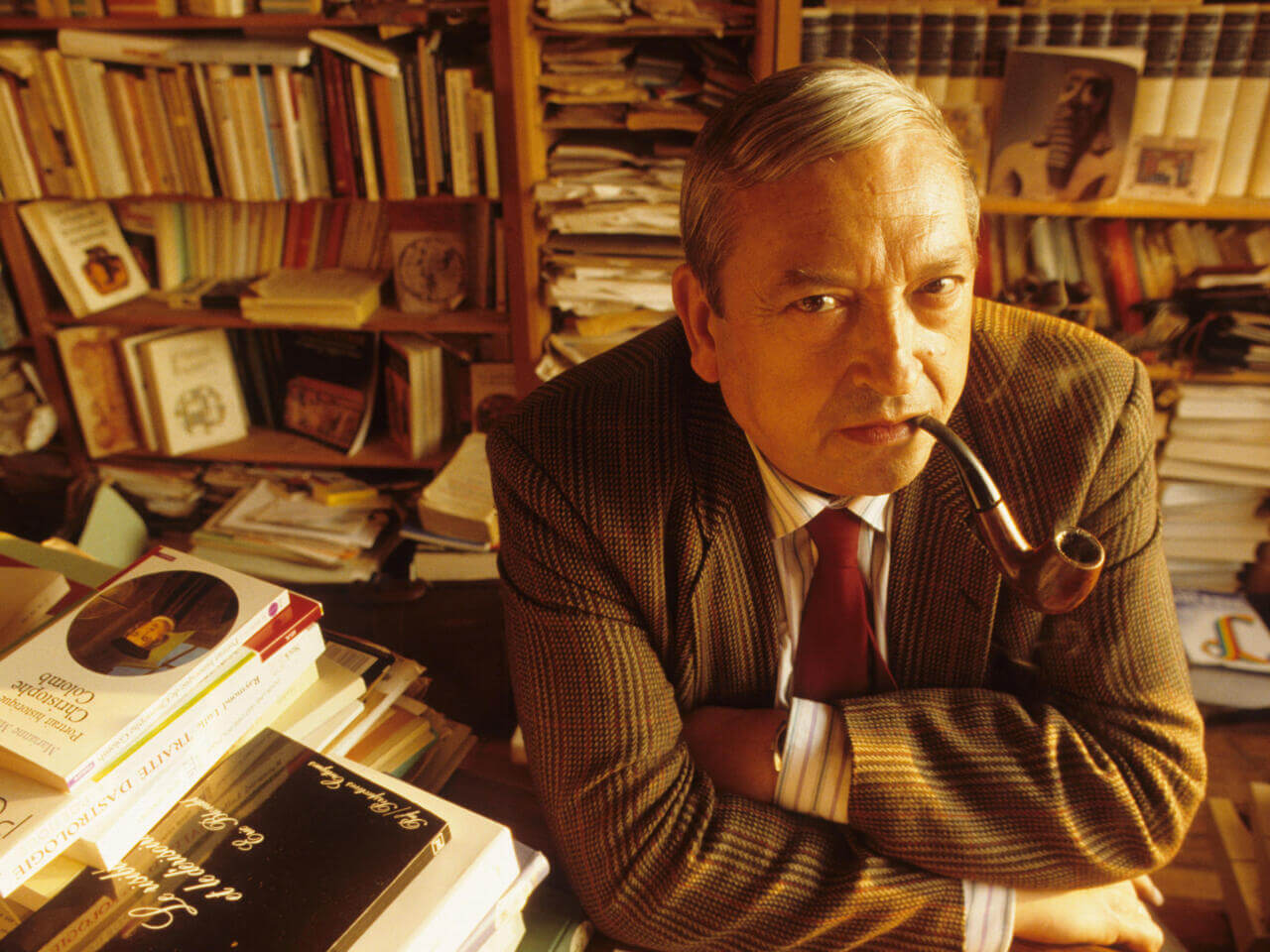

Jacques Le Goff, the influential French historian who transformed the study of the Middle Ages, has died, leaving behind a powerful intellectual legacy that reshaped European historiography. As a leading figure of the Annales School, Le Goff redefined how historians approached medieval society, emphasizing culture, mentality, and everyday life over traditional political narratives.
His work elevated the Middle Ages from a misunderstood period into a complex and dynamic era, rich with intellectual, social, and cultural developments.
Redefining Medieval History
Le Goff is widely recognized for moving beyond conventional historical frameworks that focused primarily on kings, wars, and political events. Instead, he explored the mentalities, belief systems, and symbolic structures that shaped medieval life.
A New Historical Approach
Through works such as The Birth of Purgatory, Le Goff examined how religious ideas evolved and influenced social structures. His research demonstrated how concepts like purgatory emerged over time, reflecting broader changes in medieval spirituality and society.
According to historical analyses and academic institutions across Europe, Le Goff’s approach helped establish cultural history as a central field within medieval studies.
A Pillar of the Annales School
Le Goff was a prominent member of the Annales School, a French historiographical movement that revolutionized historical methodology in the 20th century. The movement emphasized long-term social history (la longue durée) and interdisciplinary research.
Expanding Historical Boundaries
Working alongside scholars such as Fernand Braudel, Le Goff contributed to a broader understanding of history that incorporated insights from anthropology, sociology, and economics. This approach allowed historians to better understand how ordinary people lived, thought, and interacted within their societies.
His scholarship also highlighted the importance of time perception in medieval culture, exploring how medieval societies understood work, leisure, and religious observance.
A European Intellectual Voice
Beyond academia, Le Goff played a significant role in shaping Europe’s intellectual identity. His writings connected the medieval past with contemporary European culture, emphasizing continuity rather than rupture.
Bridging Past and Present
Le Goff frequently argued that many aspects of modern Europe—including urban life, education systems, and cultural traditions—have deep roots in the medieval period. His work encouraged a more nuanced appreciation of Europe’s historical development.
He also contributed to public discourse through lectures, essays, and media appearances, making complex historical ideas accessible to a broader audience.
Enduring Legacy in Historical Studies
The death of Jacques Le Goff marks the loss of one of the most important historians of the modern era. His influence continues to shape how scholars and students approach the study of history.
Today, his methodologies remain central in universities and research institutions worldwide, particularly in the study of medieval Europe and cultural history.
As historians continue to explore the past through new lenses, Le Goff’s work stands as a lasting reminder that history is not only about events—but about the people, beliefs, and ideas that define civilizations.