





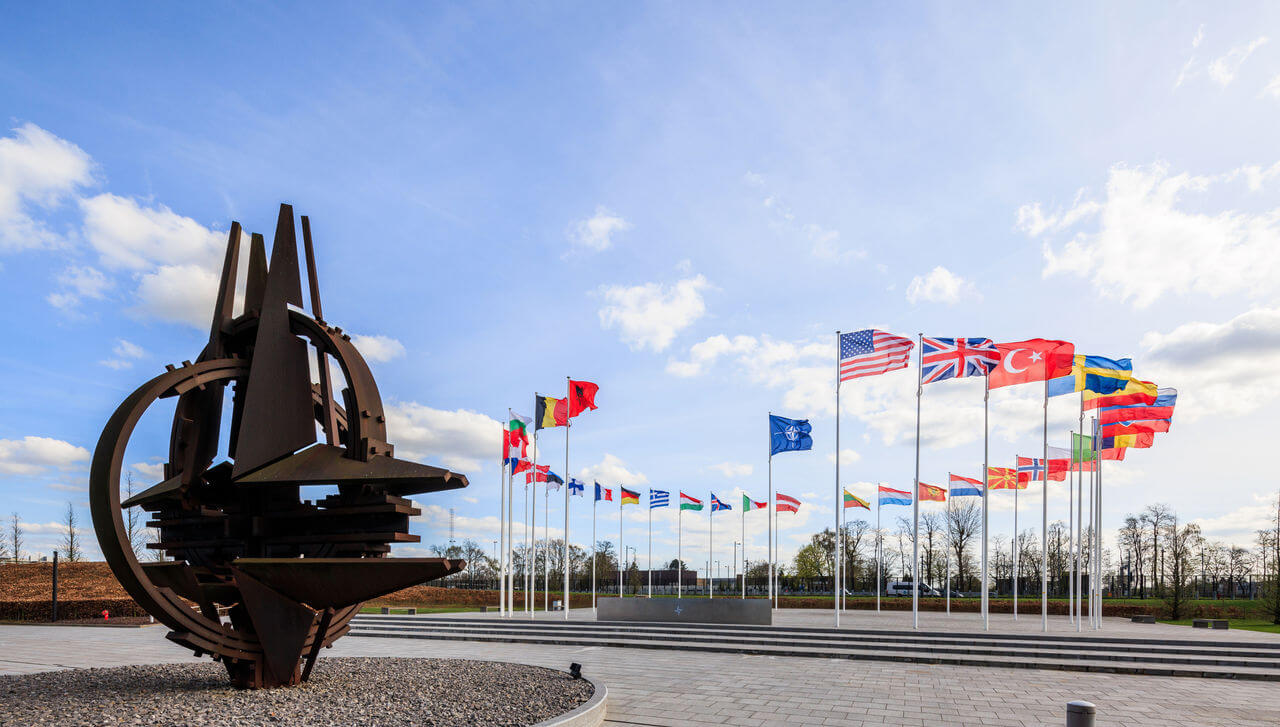

The North Atlantic Treaty Organization (NATO) is facing what many analysts describe as its most severe internal crisis since its founding in 1949. Escalating tensions between the United States and its European allies—particularly surrounding Washington’s aggressive posture toward Iran—have exposed deep fractures within the alliance.
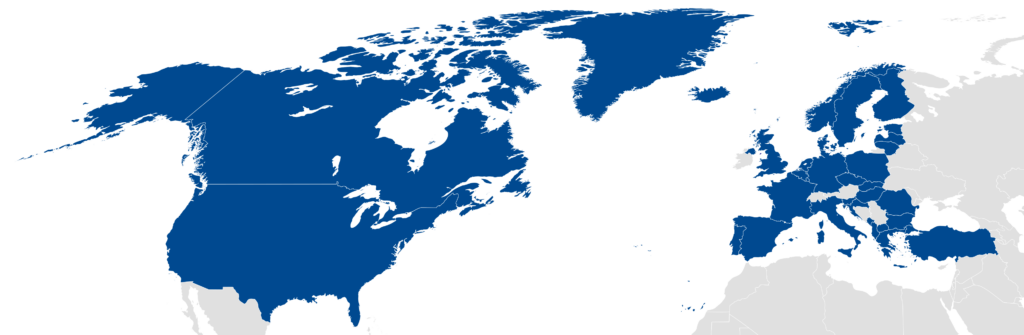
Former U.S. Ambassador to NATO, Ivo Daalder, has bluntly stated that the alliance is “broken,” pointing to a combination of political distrust, diverging military priorities, and a weakening commitment to collective defense. Speaking to DW, Daalder emphasized that this moment represents the “worst crisis” in NATO’s history, as European nations increasingly question the reliability of their long-standing partner.
While disagreements within NATO are not new, the scale and intensity of current disputes suggest a structural transformation may already be underway.
Growing Distrust Toward Washington
At the center of the crisis lies Donald Trump’s confrontational rhetoric and strategic unpredictability. His repeated claims that NATO is ineffective—labeling it a “paper tiger”—have undermined confidence across Europe.
More significantly, several European governments have taken unprecedented steps by refusing U.S. requests for military cooperation, including denying access to bases and airspace for operations linked to Iran. This marks a dramatic departure from decades of close coordination.
According to Daalder, this shift reflects a broader realization: Europe no longer fully trusts the United States as a dependable ally. The erosion of trust has been compounded by fears that Washington may not honor Article 5, NATO’s core principle of collective defense.
Could NATO Survive Without the US?
The possibility of a NATO without U.S. leadership—once unthinkable—is now being openly discussed in policy circles. Research conducted by the International Institute for Security Studies (IISS) highlights both the feasibility and the immense challenges of such a transition.
Europe would face significant capability gaps, particularly in:
- Advanced military technology
- Intelligence and surveillance systems
- Space-based defense infrastructure
- Command and control operations
The IISS estimates that replacing U.S. contributions could require over $1 trillion in additional defense spending, a figure that underscores the scale of dependency built over decades.
Despite these obstacles, some European voices are increasingly confident. Security expert Nick Witney argues that Europe may no longer need American protection, especially if it accelerates investment in its own defense capabilities.
A Strategic Awakening in Eurasia
For years, many experts have questioned why Europe—and even parts of Eurasia—relied so heavily on a non-continental power like the United States for security. Critics have long argued that resources directed toward transatlantic cooperation could have been used to build stronger, independent military systems within Eurasia itself.
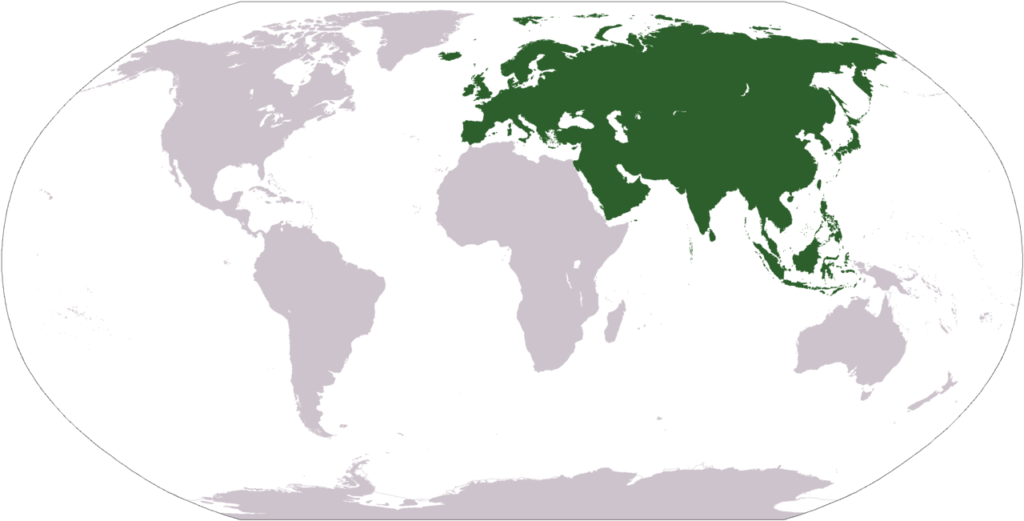
Today, that debate is no longer theoretical.
There are growing signs that European and Asian leaders may be entering a new phase of strategic alignment, one that prioritizes regional autonomy over external dependence. French President Emmanuel Macron’s proposals for expanded nuclear cooperation within Europe reflect this shift, signaling a willingness to rethink traditional security frameworks.
In many ways, Trump’s policies appear to have accelerated a long-overdue reckoning. What once seemed like a stable alliance is now prompting leaders across Europe to reconsider their geopolitical assumptions.
NATO at a Crossroads
Despite the tensions, NATO is unlikely to collapse overnight. Secretary-General Mark Rutte has attempted to downplay divisions, emphasizing that disagreements are natural within a large alliance.

However, the underlying reality is harder to ignore: NATO is entering a period of transformation, where European leadership and military independence may become increasingly central.
This moment could mark a historic turning point. For the first time in decades, European nations are seriously contemplating a future where they stand on their own—militarily, politically, and strategically.
And perhaps most strikingly, it may also represent the beginning of a broader shift across Eurasia, where leaders—once divided—find common ground in asserting independence from a power outside their continent.
If so, history may remember this period not just as a crisis for NATO, but as the moment Europe finally woke up.